Everything you’ve been told about burnout is wrong
Burnout is caused by a lack of believable motivation—not working too hard. Breaks won’t help. Engineering motivation will.

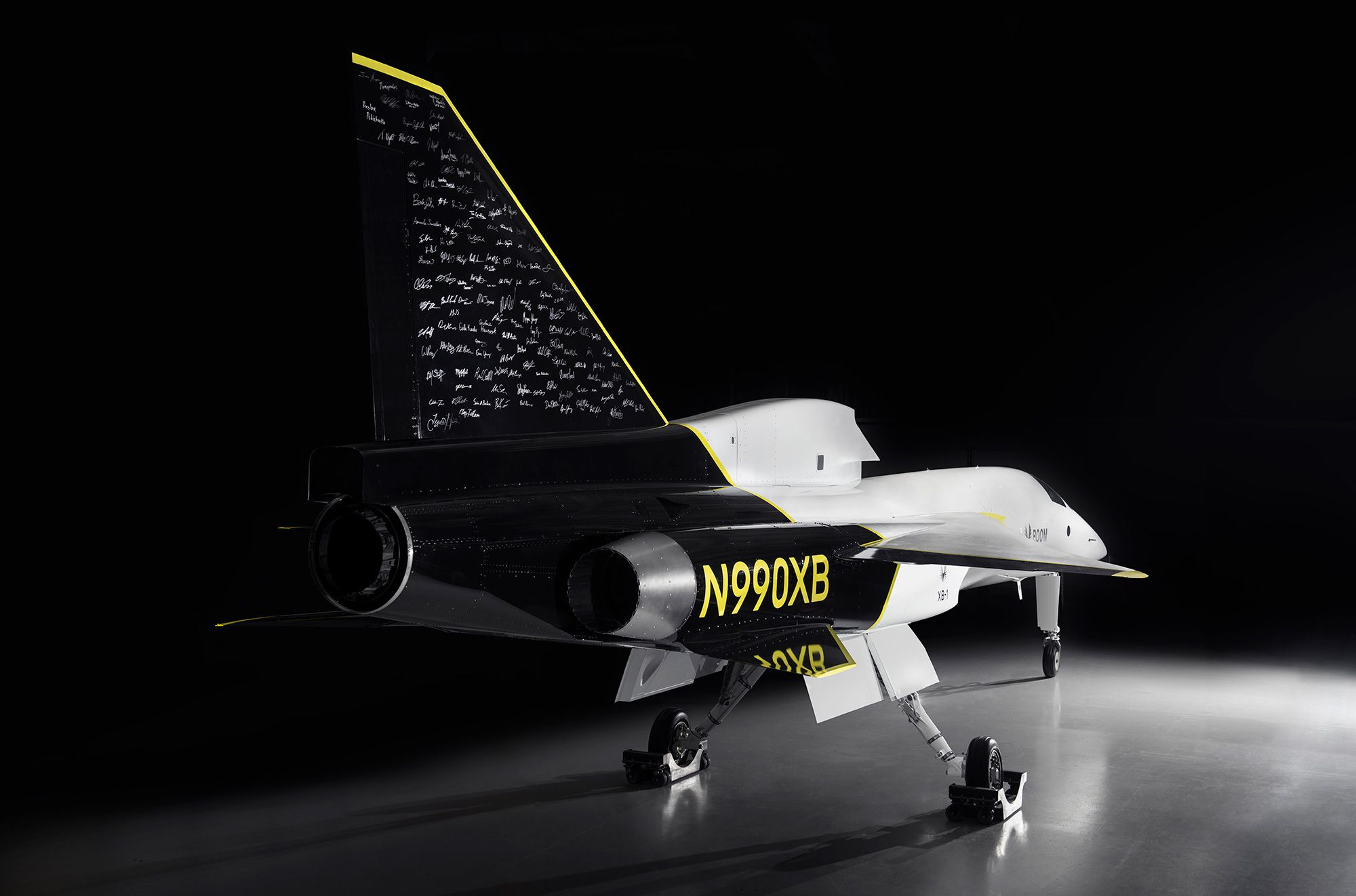
In 2020, the entire Boom team worked extraordinarily hard to get XB-1 ready for its October 7th public rollout. Many worked six to seven day weeks, twelve hours a day. People skipped vacations, missed kids’ birthdays and went all-in to get XB-1 into beautiful shape for her debut.
The rollout was a magnificent success. The world was introduced to a soon-to-be-historic aircraft and the role it would play on the journey to a supersonic renaissance. We were in the thick of Covid, so the main event was streamed—but we still had an in-person celebration for employees and their families. The families had been making sacrifices on behalf of the mission, and we wanted them to enjoy what their loved ones had been working to birth.
At rollout, the XB-1 airframe was complete—but we weren’t yet done designing yet alone building and installing all the systems that would make her come to life. Much work remained.
After the rollout, I gave the team a whole week off so they could recover and come back energized for the next sprint of getting XB-1 ready for her maiden flight.
Yet, they returned complaining of burnout and overwork. At first my reaction was WTF—”I just gave y’all an entire bonus week off, and you’re complaining about working too much?” But as I listened to the complaints, I heard something subtle in the undertones: the goal of flying was far off, maybe further off than we thought (this turned out to be true). People weren’t sure it was attainable and the journey to get there sounded long, hard, and unrewarding.
I resisted the urge to be annoyed with the team and instead learned something important. Burnout is not what it presents: it’s not about working too hard for too long, burnout is about working in the face of a goal that seems too far out, too unattainable, too abstract.
Everyone has what I’ve come to call a “gratification window,” the period of time in which there must be a believable reward in order to stay motivated. As exemplified in the Marshmallow Test, kids can have notoriously short gratification windows. Founders probably have some of the longest gratification windows—willng to work years or even decades to realize a goal. Most people lie somewhere in the middle.
The principle of a gratification window applies to all of us. So long as there’s something tangible, believable and motivating within their gratification window, great people will happily work long, smart, and hard—often with remarkably little rest. When there’s nothing in the gratification window, even great people feel burned out. And they will feel that burnout even when working not that hard—even when coming straight off a break.
Once I saw this, I realized the standard solutions for burnout—breaks, rest, recharge—were not the solution. What we needed to do is ensure there were believable, inspiring, meaningful goals well within the team’s gratification window. So we broke the far-off, abstract goal of flying into a series of nearer-term individual milestones. We called these Mission Success Events—celebration points along the path to the ultimate mission.
We made these Mission Success Events (MSE) tangible—like the first landing gear swing—and the team organized the plan around roughly one per month. When the MSE was achieved, the whole company would celebrate—not just those directly working on the project or milestone.
The lesson I’ve taken from this experience: when I—or a team—is feeling burnout, I don’t start by checking the workload, I check the motivation. What’s driving the team? What’s the next milestone? Do the people working on it believe it can and will happen—and that it’s meaningful?
Turns out engineering motivation is the first step in engineering a supersonic jet.
This squares with my experience of burnouts. But the triggers are not just distortion in work goals, but also they can result from distortion in life needs - relationships, family, health, etc. Especially when work causes those things to be neglected.
When everything is in the zone, long hours are effortless.
Leadership is resolving ambiguity via proximate objectives.
-Richard Rumelt (Good Strategy/Bad Strategy)